


Did you know that nearly 30% of homeowners in Cape Coral experience issues with their air conditioning systems every summer? With the sweltering heat and humidity, it’s no surprise that problems like insufficient cooling and poor airflow can arise. Understanding these common issues and their solutions can make a significant difference in your comfort and energy bills. So, what should you look for when your AC starts acting up?
Insufficient Cooling: Causes and Solutions
When your air conditioning unit isn’t cooling effectively, it can be frustrating, especially during the hot summer months.
First, check your thermostat settings to verify it’s set correctly. If it’s on “auto” rather than “cool,” your unit won’t cool as expected.
Next, inspect your air filters; dirty filters can restrict airflow and reduce cooling efficiency. If they’re clogged, replace them promptly.
Additionally, look for any blocked vents or duct issues, as these can prevent cool air from circulating throughout your home.
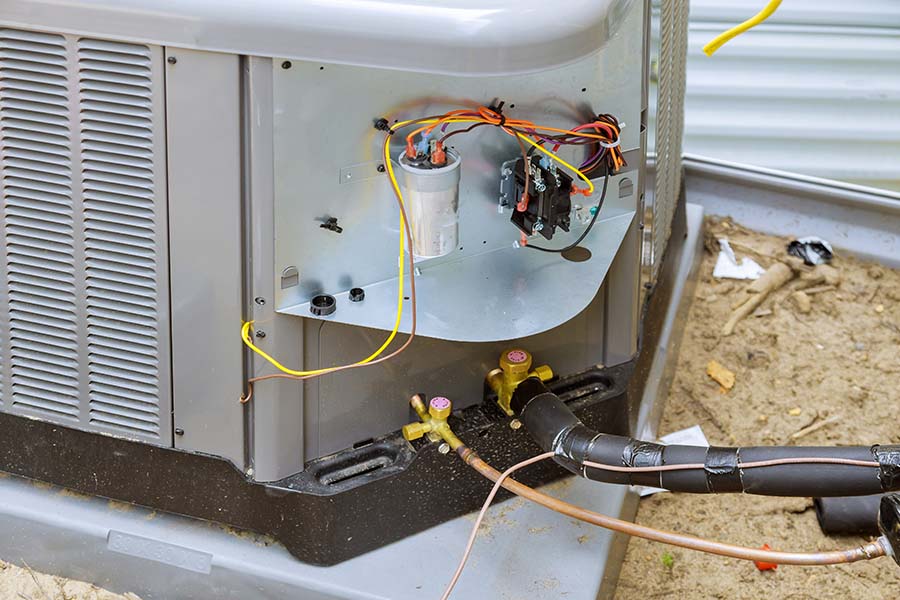
Also, check your outdoor unit for debris or obstructions that impede airflow.
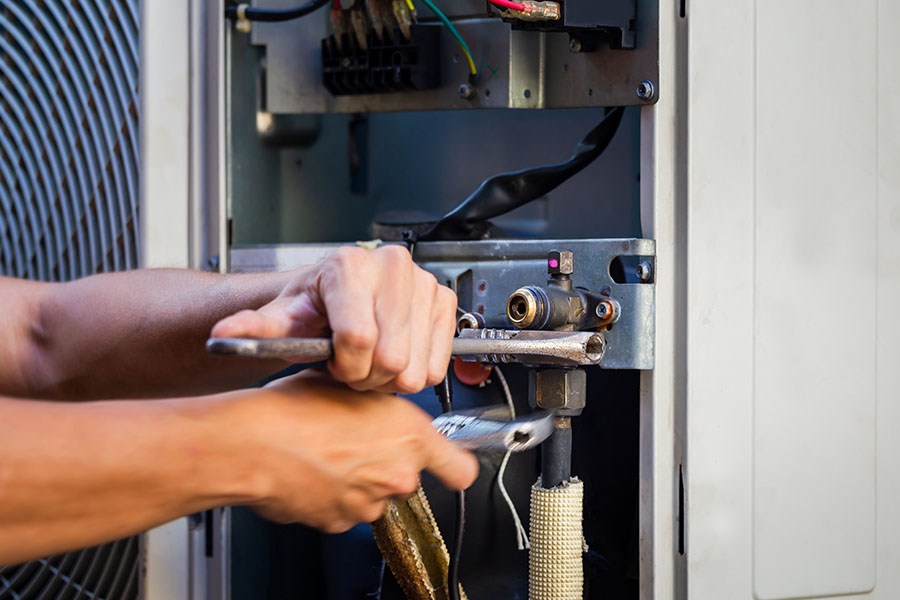
If you notice ice buildup on the evaporator coils, it could indicate low refrigerant levels or a malfunctioning compressor.
In such cases, it’s best to call a professional. Coral Air Conditioning is here to help with personalized solutions tailored to your home’s needs, making sure you stay cool all summer long. Regular AC maintenance ensures consistent and reliable comfort in hot weather, preventing issues before they arise.
Frequent Cycling: Diagnosing the Issue
Insufficient cooling can sometimes lead to another issue: frequent cycling of your air conditioning unit.
When your AC turns on and off too often, it can cause wear and tear, leading to more significant problems down the line.
Here’s how you can diagnose the issue:
- Check the thermostat settings: Verify your thermostat is set to the desired temperature and is functioning correctly. A malfunctioning thermostat can cause erratic cycling.
- Inspect the air filters: Clogged filters restrict airflow, forcing the unit to work harder and cycle frequently. Change or clean your filters regularly to maintain efficiency.
- Examine the ductwork: Leaky ducts can lead to airflow issues, causing your AC to short cycle. Look for visible damage or hire a professional to assess the ducts.
Additionally, consider consulting with an AC installation expert to ensure your system is operating optimally and to prevent future issues.
Unusual Noises: What They Mean and How to Address Them
If you hear unusual noises coming from your air conditioning unit, it’s crucial to address them promptly, as they often indicate underlying issues. Common sounds like banging, hissing, or grinding can signal problems that need immediate attention.
A banging noise might suggest loose components or debris inside the unit, while hissing could indicate a refrigerant leak. Grinding sounds often point to worn-out bearings or other mechanical failures.
To troubleshoot, first turn off your AC to prevent further damage. Check for visible debris and clear it away.
If you can’t identify the source of the noise or if it persists, it’s wise to contact a professional. At Coral Air Conditioning, we specialize in diagnosing these issues quickly and effectively. Emergency AC repair services are essential to ensure your system operates efficiently.
Our reliable team is ready to provide the high-quality service you need to restore comfort to your home safely. Don’t wait—address those unusual noises today!
Poor Airflow: Identifying the Blockages
Poor airflow can greatly impact your home’s comfort, as it often indicates blockages within your HVAC system.
To identify these blockages, you should follow a few key steps:
- Check the air filters: Clogged or dirty filters restrict airflow. Replace them regularly to maintain peak performance.
- Inspect the vents: Verify that all vents are open and free of obstructions. Furniture, rugs, or dust can block airflow, so keep them clear.
- Examine the ductwork: Look for any visible signs of damage or disconnections in your ductwork. Leaks can lead to significant airflow issues, and cleaning your AC coils can help improve overall system efficiency.
High Energy Bills: Understanding the Connection to AC Performance
As energy bills rise, you might wonder how your air conditioning system contributes to these costs. Inefficient AC performance often leads to higher energy consumption. If your unit struggles to cool your home, it may be working overtime, driving up your bills.
Common culprits include dirty filters, refrigerant leaks, and improper sizing of your system.
Regular maintenance can enhance efficiency and reduce costs. Changing filters monthly and scheduling professional inspections guarantee your system runs smoothly.
If you notice fluctuating temperatures or strange noises, it’s time to call in a pro. Ignoring these issues can lead to costly repairs and even premature system failure.
To tackle high energy bills effectively, consider personalized comfort solutions tailored to your home’s specific needs. At Coral Air Conditioning, we’re here to help you achieve efficient cooling while keeping your energy costs in check.
Conclusion
In Cape Coral, tackling common AC problems can feel like a never-ending battle against the heat. However, by addressing issues like insufficient cooling and poor airflow, you can transform your home into a cool oasis. Regular maintenance and simple fixes can save you from skyrocketing energy bills and keep your system running smoothly. Don’t let AC troubles turn your paradise into a sauna—take action now to guarantee your comfort and peace of mind!