


As allergy season approaches in Cape Coral, FL, it’s essential to take steps to improve your indoor air quality. Simple actions, like changing your air filters and investing in an air purifier, can make a significant difference. Keeping humidity levels balanced and using natural cleaning products likewise helps reduce allergens. But there are more strategies that can further boost your home’s air quality. Let’s investigate these effective methods to create a healthier living environment.
Regularly Change Air Filters
One of the simplest yet most effective ways to improve your indoor air quality is by regularly changing your air filters.
When you neglect this task, dust, pollen, and other allergens accumulate, making it harder for your HVAC system to function properly.
You’ll want to check your filters every month, especially during allergy season, and replace them at least every three months, or more often if you have pets.
This small step can greatly reduce airborne pollutants and allergens in your home. Additionally, regular maintenance can prolong the lifespan of your air conditioning unit, ensuring it operates efficiently and maintains good air quality.
Invest in an Air Purifier
Investing in an air purifier can make a big difference in your home, especially during allergy season.
You’ll find various types designed to tackle specific allergens, improving your indoor air quality.
Plus, with a bit of maintenance, you can guarantee it works all year round. Regular cleaning of your AC coils can further enhance indoor air quality, ensuring that the air circulating in your home is as clean and healthy as possible.
Types of Air Purifiers
When it comes to enhancing your home’s air quality, choosing the right air purifier can make a significant difference.
There are several types to evaluate. HEPA filters are excellent for capturing allergens like dust and pollen, making them a popular choice. Activated carbon filters excel at absorbing odors and harmful gases, ensuring your home smells fresh.
UV air purifiers use ultraviolet light to kill bacteria and viruses, providing an additional layer of protection. Ionic purifiers release charged particles that attach to pollutants, causing them to settle out of the air.
Each type has unique features, so think about your specific needs before making a decision. Investing in the right air purifier can lead to a healthier indoor environment.
Benefits for Allergies
As allergy season approaches, an air purifier can be your best ally in creating a healthier indoor environment.
These devices effectively capture allergens like dust, pollen, and pet dander, reducing your exposure and helping you breathe easier. By filtering out harmful particles, air purifiers can greatly decrease allergy symptoms, allowing you to enjoy your home without constant sneezing or itchy eyes.
You’ll likewise benefit from improved overall air quality, which can lead to better sleep and increased energy levels. Investing in a quality air purifier means you’re taking a proactive step toward protecting your health.
With cleaner air, you’ll feel more comfortable and can focus on enjoying your time indoors, free from the distractions of allergy discomfort.
Maintenance and Care Tips
To keep your air purifier working effectively, regular maintenance is essential.
Start by checking the filters monthly if they’re dirty, clean, or replace them according to the manufacturer’s guidelines. This simple step greatly improves air quality and efficiency.
Next, make sure your purifier’s sensors are functioning correctly; they help monitor air quality and adjust settings as needed.
Don’t forget to wipe down the exterior and vents to prevent dust accumulation.
Place your air purifier in a central location for maximum airflow, and keep windows and doors closed to boost its performance.
Finally, schedule an annual check-up with a professional, like Coral Air Conditioning, to guarantee your system runs smoothly and efficiently.
Your health and comfort depend on it!
Keep Humidity Levels in Check
To keep your indoor air quality high, it’s essential to monitor humidity levels regularly. Using dehumidifiers effectively can help prevent excess moisture, while sealing air leaks guarantees your home stays comfortable. Regular checks on your air handler efficiency can also contribute to maintaining optimal humidity levels and overall air quality.
Monitor Humidity Levels Regularly
Maintaining ideal humidity levels is crucial for improving your indoor air quality, especially as allergy season approaches. High humidity can promote mold growth and dust mites, while low humidity may lead to dry skin and respiratory issues.
To keep your home comfortable, monitor humidity levels regularly using a hygrometer. Aim for a range between 30% and 50%. If you notice fluctuations, adjust your ventilation or consider natural solutions like houseplants that help maintain moisture.
Keep an eye on areas prone to dampness, such as bathrooms and basements. By being proactive about humidity, you’ll create a healthier environment for you and your family, reducing allergy triggers and enhancing overall air quality.
Regular checks can make a significant difference in your indoor comfort.
Use Dehumidifiers Effectively
While managing indoor humidity can seem challenging, using dehumidifiers effectively is a straightforward solution.
Keeping humidity levels in check is essential for enhancing air quality and preventing allergens. Here are some tips to improve your dehumidifier usage:
- Set the Right Level: Aim for a humidity level between 30-50% for comfort and health.
- Position Wisely: Place your dehumidifier in a central location for maximum air circulation.
- Empty Regularly: Check and empty the water reservoir often, or use a continuous drainage option if available.
- Maintain the Unit: Clean the filter and coils regularly to guarantee peak performance.
Seal Air Leaks Properly
Regardless of whether you’ve got a dehumidifier working hard, air leaks can undermine your efforts to keep humidity levels in check.
To tackle this issue, inspect your home for gaps and cracks around windows, doors, and vents. Even small leaks can let in excess moisture, making it harder to maintain a comfortable indoor environment.
Use weather stripping or caulk to seal these openings effectively.
Don’t forget to check your attic and basement; these areas can often harbor significant leaks.
Maintain Your HVAC System
To guarantee your indoor air quality remains ideal, regular HVAC system maintenance is crucial.
By keeping your system in top shape, you can reduce allergens and guarantee a comfortable environment.
Here are four key maintenance tasks you should prioritize:
- Change Filters Regularly: Replace filters every 1-3 months to trap dust and allergens effectively.
- Schedule Professional Inspections: Have a technician check your system at least once a year for any potential issues.
- Clean Vents and Ducts: Dust and debris can accumulate, so make sure to clean your vents and ducts regularly.
- Check Refrigerant Levels: Low refrigerant can affect performance and air quality, so verify they’re at the proper levels. Additionally, consider scheduling routine AC maintenance to ensure optimal functionality of your system.
Use Natural Cleaning Products
Using natural cleaning products can greatly improve your indoor air quality, especially during allergy season.
Conventional cleaners often contain harsh chemicals that can release volatile organic compounds (VOCs) into your home, triggering allergy symptoms and respiratory issues. By switching to natural alternatives, you’ll reduce these harmful pollutants and create a healthier environment for you and your family.
Look for products made from plant-based ingredients, vital oils, or simple household items like vinegar and baking soda. These options not only clean effectively but also minimize chemical exposure. When you start using these products, you’ll notice the air feels fresher and cleaner.
Don’t forget to check labels and avoid products with added fragrances or synthetic chemicals. Making this switch is a simple yet impactful way to improve your indoor air quality, helping you breathe easier as allergy season approaches.
Welcome natural cleaning, and you’ll contribute to a healthier home atmosphere.
Increase Ventilation
Improving your indoor air quality doesn’t stop with natural cleaning products; increasing ventilation is another effective strategy. Proper ventilation helps to circulate fresh air, reducing allergens and pollutants in your home.
Here are some quick tips to get you started:
- Open Windows: When the weather permits, let fresh air flow through your home to dilute indoor pollutants.
- Use Exhaust Fans: Turn on kitchen and bathroom exhaust fans while cooking or showering to eliminate moisture and odors.
- Install Air Purifiers: Consider using HEPA air purifiers to filter out allergens and improve overall air quality.
- Schedule HVAC Maintenance: Regularly check and maintain your HVAC system to guarantee it’s working efficiently and circulating clean air.
Limit Indoor Pollutants
To keep your indoor air fresh and clean, you need to limit pollutants in your home.
Regular cleaning routines and using air purifiers can greatly reduce allergens and improve air quality.
Let’s investigate how these simple steps can make a big difference in your environment.
Regular Cleaning Routines
While it might seem tedious, establishing regular cleaning routines can greatly limit indoor pollutants and improve your air quality.
By keeping your home clean, you’ll reduce allergens and create a healthier environment. Here are four simple steps to get you started:
- Vacuum Weekly: Use a vacuum cleaner with a HEPA filter to trap dust and allergens.
- Dust Surfaces: Wipe down surfaces with a damp cloth to prevent dust from becoming airborne.
- Wash Bedding: Clean your sheets and pillowcases weekly to eliminate dust mites and other irritants.
- Control Humidity: Use a dehumidifier to maintain indoor humidity between 30-50%, discouraging mold growth.
Incorporating these routines will help you breathe easier as allergy season approaches!
Use Air Purifiers
Using air purifiers can greatly limit indoor pollutants, helping you breathe cleaner air as allergy season approaches.
These devices work by filtering out dust, pet dander, pollen, and other allergens that can trigger your symptoms.
When choosing an air purifier, look for one with a HEPA filter, as it captures 99.97% of particles down to 0.3 microns.
Place purifiers in high-traffic areas like the living room or bedroom for maximum effect.
Remember to regularly check and replace filters to maintain efficiency.
By integrating air purifiers into your home, you create a healthier environment, reducing your exposure to irritants and making it easier to enjoy your space during allergy season.
Breathe easier with cleaner indoor air!
Incorporate Indoor Plants
Incorporating indoor plants not only enhances your home’s aesthetic but also greatly improves air quality, making it a smart choice as allergy season approaches.
These green companions can filter harmful pollutants and boost humidity levels, creating a healthier living space.
Here are four great options to evaluate:
- Spider Plant: This hardy plant is excellent at removing formaldehyde and xylene from the air.
- Areca Palm: Known for its air-purifying qualities, it likewise adds moisture, combating dry indoor air.
- Peace Lily: Not only beautiful, but it effectively filters out ammonia, benzene, and formaldehyde.
- Boston Fern: This lush plant excels at removing toxins and increasing humidity, promoting better respiratory health.
Schedule Professional Duct Cleaning
As you improve your home’s air quality with indoor plants, don’t overlook the importance of scheduling professional duct cleaning. Dust, allergens, and pollutants can accumulate in your ductwork over time, greatly impacting your indoor air quality.
When you have your ducts cleaned, you’re not just removing debris; you’re also reducing the risk of respiratory issues and allergies.
By investing in professional duct cleaning, you guarantee that the air circulating throughout your home is clean and healthy. Coral Air Conditioning offers thorough duct cleaning services tailored to your needs, assuring every inch of your system is addressed.
Plus, with their commitment to transparency and quality, you can trust that you’re getting the best care for your home.
Don’t wait until allergy season hits; take proactive steps now to breathe easier. Schedule your duct cleaning and enjoy a fresher, healthier home environment.
Monitor Air Quality With Sensors
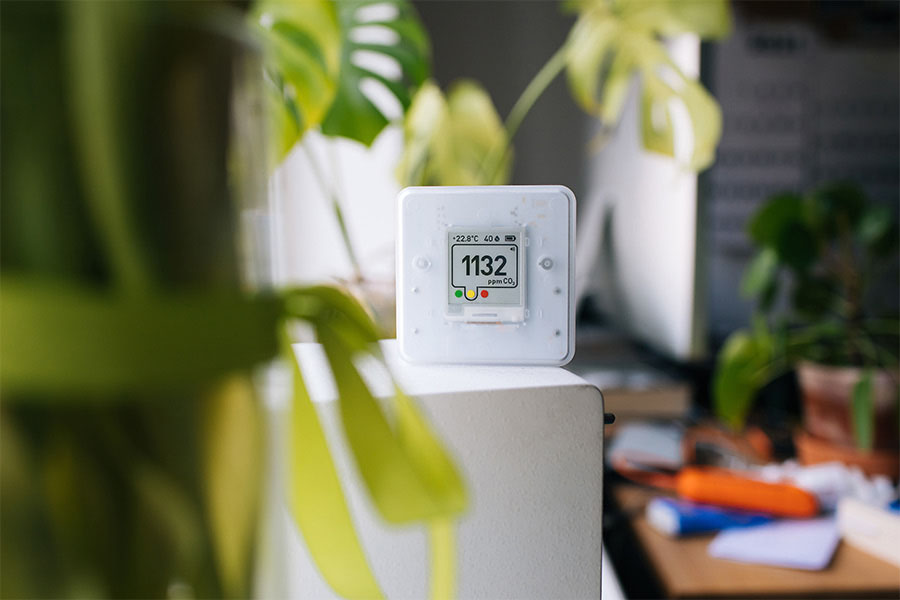
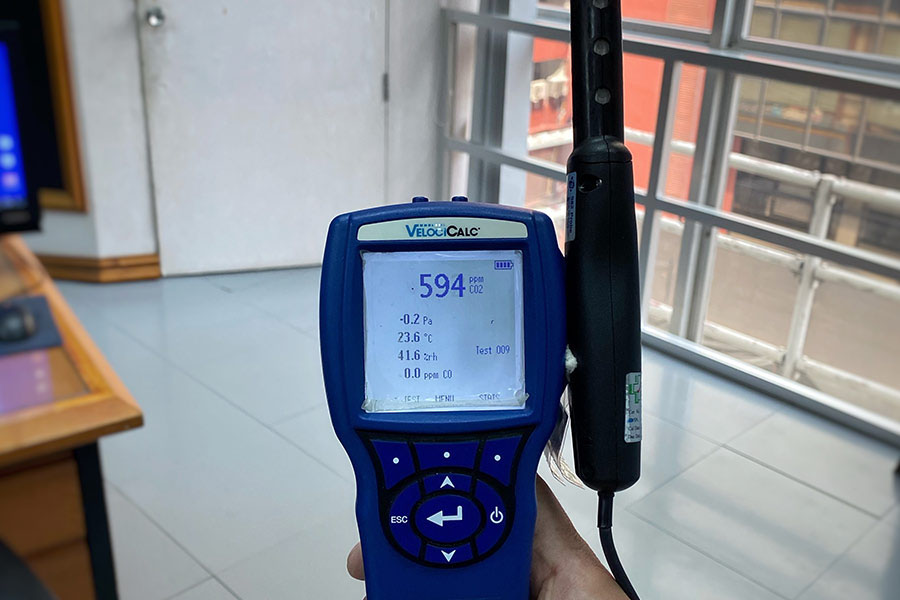
To guarantee your home’s air quality remains ideal, consider monitoring it with sensors that provide real-time data on pollutants and allergens.
These devices can help you stay ahead of potential issues and create a healthier living environment.
Here are four key benefits of using air quality sensors:
- Immediate Alerts: Get notified instantly when pollutant levels spike.
- Data Tracking: Monitor trends over time to understand your home’s air quality better.
- Personalized Recommendations: Many sensors offer tips based on the data collected, helping you improve air quality.
- Integration with HVAC Systems: Some sensors can work with your HVAC system to optimize air filtration automatically.
Conclusion
By following these 10 proven strategies, you can greatly improve your indoor air quality before allergy season hits Cape Coral. Regular maintenance, mindful choices, and a touch of nature can create a healthier environment for you and your family. Why wait until allergies strike to take action? Start implementing these tips today, and breathe easier knowing you’re doing your part to keep your indoor air fresh and clean. Your well-being is worth it!