


As allergy season rolls in like a persistent wave, it’s essential to guarantee your HVAC system is up to the task. You might not realize it, but a well-maintained system can make a significant difference in your indoor air quality. Have you checked your air filters lately? There’s more to reflect on beyond just the filters, and addressing these points now can help you breathe easier when the pollen count rises.
Inspect and Replace Air Filters
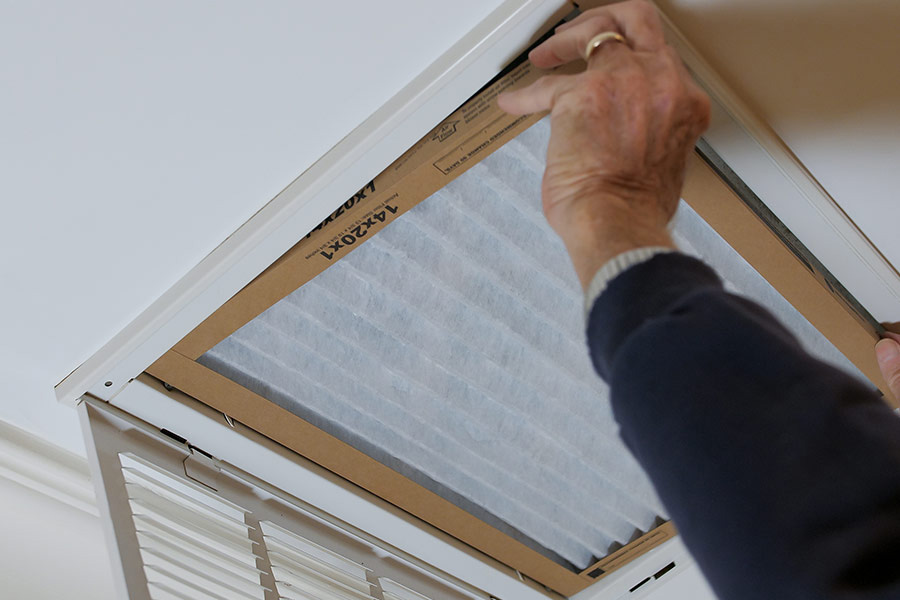
One of the simplest yet most effective ways to guarantee your HVAC system runs smoothly is by inspecting and replacing air filters regularly. Neglecting this task can lead to reduced efficiency and poor air quality, which can aggravate allergy symptoms.
You should check your filters at least once a month, especially during peak allergy seasons. If they’re dirty or clogged, swap them out with new ones to confirm proper airflow.
Choosing the right filter is essential, too; go for high-efficiency filters that can trap smaller particles, including dust, pollen, and pet dander. This not only improves your indoor air quality but also helps your HVAC system operate more efficiently. Regular AC maintenance can also help prolong the lifespan of your unit and prevent costly breakdowns.
Clean and Maintain Ductwork
Keeping your ductwork clean and well-maintained is essential for ideal HVAC performance.
Dirty ducts can circulate allergens and reduce air quality, making allergy season even worse.
To guarantee your system runs smoothly, follow these steps:
- Schedule a professional inspection: A technician can identify issues you might miss.
- Clean your ducts regularly: Dust and debris can accumulate, so consider having them cleaned every few years. Regular cleaning helps improve cooling performance and efficiency.
- Seal leaks: Inspect for gaps in your ductwork that can let air escape, wasting energy and reducing efficiency.
- Check insulation: Verify your ducts are well-insulated, especially if they run through unconditioned spaces.
Check and Test Your Thermostat
After confirming your ductwork is clean and efficient, it’s time to focus on your thermostat. This small device plays an essential role in regulating your home’s temperature and air quality.
Start by checking the settings to verify they’re set to your comfort preference. If you have a programmable or smart thermostat, make sure it’s set to adjust according to your schedule.
Next, test the thermostat by setting it a few degrees above and below the current temperature. Listen for the HVAC system to respond; it should kick in promptly. If it doesn’t, you may need to replace the batteries or recalibrate the device.
Also, clean the thermostat’s sensor gently to remove any dust.
Finally, consider upgrading to a newer model if yours is outdated; modern thermostats offer better efficiency and convenience. An upgraded thermostat can enhance energy efficiency and improve your overall indoor air quality.
Taking these steps guarantees your HVAC system operates smoothly during allergy season.
Schedule a Professional HVAC Tune-Up
Scheduling a professional HVAC tune-up is vital for maintaining your system’s efficiency and longevity.
Regular maintenance not only helps keep your home comfortable but also prevents costly repairs down the line.
Here’s what you can expect during a tune-up:
- Comprehensive Inspection: Technicians check all components to guarantee everything’s functioning properly.
- Cleaning: They’ll clean coils and filters to improve airflow and efficiency.
- Refrigerant Level Check: Proper refrigerant levels are fundamental for ideal cooling performance.
- System Calibration: They’ll adjust your system for peak performance and energy efficiency. Additionally, they will ensure that your AC coils are in optimal condition to prevent future breakdowns and enhance indoor air quality.
Evaluate Indoor Air Quality Solutions
How can you guarantee the air in your home is as clean and healthy as feasible? Start by evaluating your indoor air quality solutions.
Consider upgrading your HVAC system’s air filters to HEPA models, which can trap allergens, dust, and other pollutants. Regularly replace these filters to maintain ideal airflow and efficiency.
Next, think about installing an air purifier. These devices can greatly reduce airborne particles and improve your home’s air quality.
Don’t overlook humidity control; a dehumidifier can help prevent mold and mildew, both of which can trigger allergies.
Finally, guarantee proper ventilation throughout your home. Open windows when the weather permits and use exhaust fans in kitchens and bathrooms.
If you’re unsure about the best solutions for your space, reach out to Coral Air Conditioning for personalized recommendations. They can help you find the right options to keep your indoor air fresh and clean this allergy season.

Conclusion
As allergy season blooms like the flowers outside, your HVAC system needs to be your shield against the pollen storm. By following this spring checklist, you’re not just preparing your home; you’re cultivating a sanctuary for your family. Each air filter replaced and duct cleaned symbolizes a gust of fresh air, a step toward comfort and health. Welcome the season with confidence, knowing your home is a fortress, keeping allergens at bay while you enjoy the beauty of spring.