
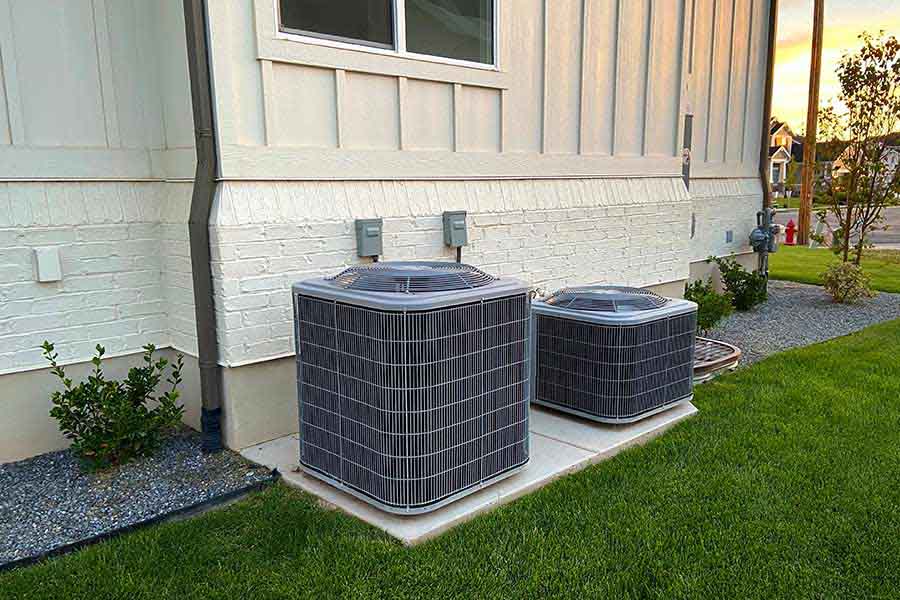
An air conditioner that starts making unfamiliar sounds is never something to dismiss, particularly in Cape Coral, where cooling systems run for the better part of the year and depend on every internal component functioning correctly. In our service calls throughout Cape Coral, from the established neighborhoods near Veterans Memorial Parkway to the newer developments along Burnt Store Road, Coral Air Conditioning regularly responds to noise complaints that turn out to be early warnings of developing mechanical problems. Hissing typically signals a refrigerant leak, whistling often points to airflow restrictions, and rattling or banging can indicate loose components or a struggling compressor. Catching and addressing these sounds early is one of the most reliable ways to prevent minor issues from becoming major repairs. Understanding what different noises mean and when to call for professional AC repair puts homeowners in a much stronger position to protect their equipment and maintain consistent comfort at home.
Identify and Resolve Common AC Noises
Unusual sounds from an air conditioner are the system’s way of communicating that something requires attention. In Cape Coral’s demanding climate, where AC units often run continuously through the long summer season and well into the fall, the internal components of a cooling system experience significant wear over time. That wear can manifest as noise long before it leads to a complete breakdown.
Rattling is among the most frequently reported sounds Coral Air Conditioning encounters during service calls, and it typically points to loose hardware, dislodged panels, or debris that has entered the outdoor unit. Buzzing often has an electrical origin, whether from a failing capacitor, a contactor issue, or deteriorated wiring. Clanging is a more serious sound that suggests something has broken loose inside the unit and may be striking other components with each operating cycle. Regardless of the specific noise, the common thread is that none of these sounds should be ignored or monitored indefinitely. Scheduling routine AC maintenance is one of the most effective strategies for identifying mechanical and electrical conditions that produce these noises before they progress to equipment failure. When a noise cannot be clearly identified or persists after a professional visit, Coral Air Conditioning has the diagnostic tools and field experience to locate the source and recommend the appropriate repair.
Hissing and Whistling AC Noises: What They Mean
Hissing and whistling are two of the more acoustically distinctive noises a residential AC system can produce, and both carry specific diagnostic significance that warrants prompt professional evaluation.
A hissing sound coming from the indoor unit, refrigerant lines, or outdoor condenser is most commonly associated with a refrigerant leak. Refrigerant escaping through a crack or loose connection in the system produces a pressurized hiss that is difficult to confuse with other sounds. Beyond the noise itself, a refrigerant leak reduces the system’s cooling capacity, causes the compressor to work harder than it should, and, if left unaddressed, can lead to compressor failure, which is one of the most expensive repairs in residential HVAC service. Whistling tends to have a different origin, most often related to airflow restriction. A severely clogged air filter, a partially closed damper, or a ductwork issue forcing air through a constricted passage can all produce a whistling sound as the system struggles to move air efficiently. Based on what Coral Air Conditioning sees in Cape Coral properties, refrigerant leaks are particularly common in older systems and in units that have been exposed to years of the region’s salt air, which can accelerate corrosion in copper refrigerant lines. Both hissing and whistling require professional diagnosis rather than a watchful waiting approach, as the underlying causes do not resolve on their own.
Causes of Rattling and Banging Noises in ACs
Rattling and banging constitute a different category of AC noise, generally indicating physical or mechanical problems within the system rather than refrigerant or airflow issues.
Rattling is frequently caused by loose fasteners, panels, or hardware that vibrate as the system operates. Over time, and with the constant vibration of normal operation, screws and mounting brackets can loosen, causing panels to shift slightly and producing a persistent rattle. Fan blades that have become unbalanced or partially obstructed are another common source. In Cape Coral, where outdoor units are exposed to windblown debris, palm fronds, and the occasional tropical storm, foreign objects entering the condenser housing are a realistic cause of rattling that requires immediate attention to prevent blade or motor damage. Banging is a more urgent sound that typically indicates either a failing compressor or a component that has completely broken free inside the unit and is making contact with other parts during operation. Worn rubber isolation mounts, designed to absorb vibration and reduce operating noise, can also degrade over time, allowing the compressor or air handler to vibrate against the surrounding structure. Any banging sound warrants same-day contact with a professional, as continuing to run the system in that condition risks significantly accelerating the damage. Coral Air Conditioning offers emergency AC repair for situations where the noise or accompanying performance issues cannot wait for a standard service appointment.
Diagnosing Strange AC Noises the Right Way
Accurately diagnosing the source of an unusual AC noise requires a combination of listening techniques, system knowledge, and hands-on inspection that goes well beyond what a homeowner can reliably accomplish without professional training and diagnostic tools.
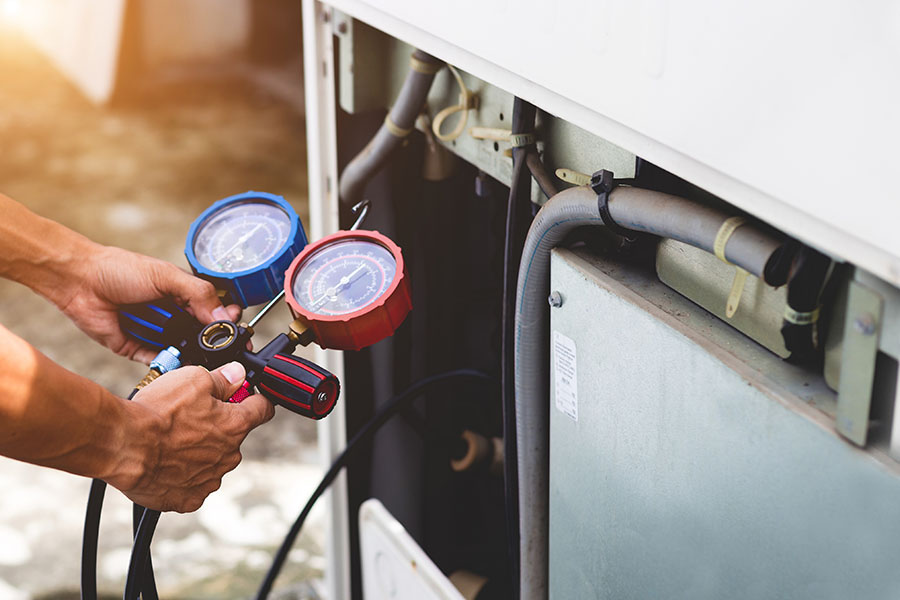
The type of noise, the location from which it originates, when it occurs during the operating cycle, and whether it changes in intensity under different conditions all factor into an accurate diagnosis. A sound that appears only during startup may indicate a failing capacitor or a compressor struggling to start. A noise that occurs only when the blower is running is often caused by the air handler or ductwork rather than the outdoor unit. Sounds that intensify as the system runs longer frequently indicate a component under thermal stress. Coral Air Conditioning technicians are trained to systematically gather and interpret this diagnostic information, which is why professional evaluation consistently leads to more accurate repairs than relying on general descriptions alone. Proper cleaning and inspection of the evaporator coil are also routine parts of any thorough diagnostic visit, since buildup on the coil can contribute to operating stress that produces noise. Scheduling professional AC coil cleaning as part of a broader diagnostic appointment ensures that coil condition is assessed and addressed at the same time the noise source is identified.
When to Call Coral Air Conditioning for Help
There are clear thresholds at which professional service becomes necessary to protect the cooling system and the home itself. Coral Air Conditioning encourages Cape Coral homeowners to reach out promptly when any of the following conditions are present.
Noises that persist after a recent professional service visit, new or changed sounds, and any noise accompanied by a decline in cooling performance all warrant an immediate service call. A system that is making noise and simultaneously struggling to maintain the set temperature is often dealing with more than one developing problem, and allowing it to continue operating under those conditions typically increases both the complexity and the cost of the eventual repair. A noticeable increase in energy bills, along with unusual operating sounds, is another combination that signals the system is operating inefficiently and needs professional attention. Working in homes across Cape Coral, Coral Air Conditioning provides dependable, clearly communicated service from a team that treats every customer with professionalism and respect. Every service call begins with a thorough inspection and an honest assessment, with no pressure and no unnecessary recommendations.
Keeping the Quiet in Your Cape Coral Home
A properly functioning air conditioner should operate with a consistent, low-level hum that fades into the background of daily life. When that baseline changes and unfamiliar sounds begin appearing, the system is signaling that something has changed internally and that professional attention is needed. Coral Air Conditioning has helped homeowners throughout Cape Coral identify and resolve AC noise issues of every variety, and the consistent finding is that addressing problems early saves time, money, and the discomfort of dealing with a system failure during the hottest stretch of the year. If your air conditioner has started making sounds it didn’t before, do not wait for the problem to escalate. Schedule your AC service today and let Coral Air Conditioning restore the quiet, efficient performance your home depends on.