Water leaking from an air conditioner is one of the most common service calls Coral Air Conditioning responds to throughout Cape Coral. With the region’s relentless humidity and year-round cooling demands, AC systems in homes across Southwest Florida work harder than most, and that extra strain can lead to drainage issues, frozen coils, and water damage if left unaddressed. Whether your home is near the Cape Coral Parkway corridor, tucked into a waterfront community along the Caloosahatchee, or situated in one of the city’s newer subdivisions off Pine Island Road, a water leak is a problem that deserves prompt, professional attention. Understanding the common causes and knowing when to call for AC repair in Cape Coral can make all the difference in protecting your home and keeping your system running efficiently.
How to Identify the Source of Your AC Water Leak
When water starts pooling around your air conditioner, identifying the source quickly is essential to preventing further damage. There are several common culprits that Coral Air Conditioning technicians regularly diagnose during service calls across Cape Coral.
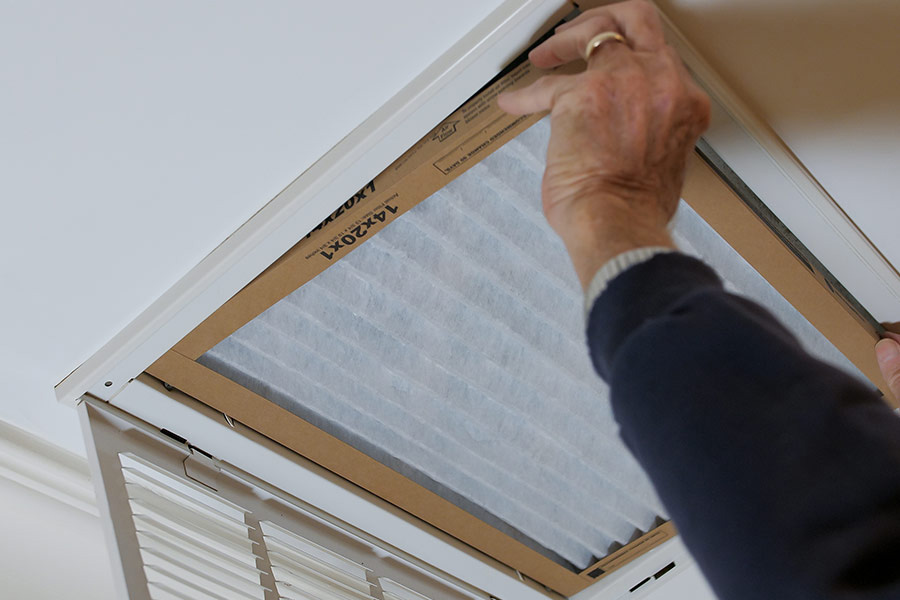
A clogged air filter is often the first place to look. When a dirty filter restricts airflow, condensation builds up on the evaporator coils faster than the drainage system can handle it. The condensate drain line is another frequent cause. Blockages in this line, often from algae or debris, cause water to back up and overflow. The drain pan itself may also be cracked or corroded, especially in older units that have been exposed to years of Florida’s salt air and humidity. Low refrigerant levels are a less obvious but equally important factor. When the refrigerant is low, the coils can freeze and then melt, releasing excess water that overwhelms the drainage components. Finally, improper installation or unit misalignment can cause water to escape in unexpected areas. Scheduling routine AC coil cleaning is one of the most effective ways to reduce the risk of moisture-related issues and ensure proper drainage.
Check and Clean the Drain Pan and Drain Line
The drain pan and drain line are the primary pathways through which your AC system removes condensation. When either component is compromised, water has nowhere to go except onto your floor or into your walls.
The drain pan is typically located beneath the indoor air handler unit. Standing water in the pan is a clear indicator of a drainage problem, whether from a clog, a crack, or algae growth. A buildup of organic material is especially common in Cape Coral homes due to the warm, moist conditions that promote biological growth inside drainage components. The condensate drain line connects the pan to an outdoor discharge point, and when it becomes blocked, the backup forces water to spill over. Professional clearing of the drain line and treatment of the pan removes current blockages and reduces the likelihood of recurrence. Coral Air Conditioning recommends incorporating drain line inspection into a regular AC maintenance plan to stay ahead of seasonal issues before they become costly repairs.
Check Your Air Filter and Coils for Blockages
Air filters and evaporator coils work together to manage airflow and heat absorption. When either is dirty or obstructed, the entire system is forced to compensate, often resulting in moisture problems that show up as water leaks.
A clogged filter chokes airflow across the coils, causing the coil surface temperature to drop below freezing. The resulting ice buildup melts when the system cycles off, releasing more water than the drain pan and line can handle. Evaporator coils themselves can also accumulate dust and debris over time, reducing their efficiency and contributing to the same freeze-thaw cycle. In Cape Coral’s high-humidity climate, these issues tend to escalate quickly. Based on what Coral Air Conditioning sees in properties throughout the area, filters often become saturated faster than homeowners expect, particularly in homes near waterways where airborne moisture is consistently higher. Rather than attempting coil cleaning or refrigerant diagnostics independently, having a qualified technician assess and service these components ensures the job is done safely and thoroughly. In some cases, severely degraded coils may require AC coil replacement to restore system performance and eliminate recurring leaks fully.
When to Call a Professional for AC Repair
Persistent water leaks that continue after a basic filter check are a clear signal that professional service is needed. Delaying that call can lead to serious secondary damage, including mold growth, structural moisture intrusion, and electrical hazards near the indoor unit.
Beyond ongoing leaks, several other warning signs warrant a call to Coral Air Conditioning. If the system is producing unusual sounds, such as gurgling, hissing, or bubbling, those noises often indicate refrigerant or drainage problems that require hands-on diagnosis. Reduced cooling performance, along with a visible leak,k suggests the system may be experiencing refrigerant loss or coil degradation. A noticeable spike in energy bills without a change in usage habits is another indicator that the system is working inefficiently, frequently due to the same root causes that produce water leaks. In our service calls throughout Cape Coral, addressing these issues early consistently leads to lower repair costs and longer equipment lifespans. Coral Air Conditioning provides fast, reliable service with transparent communication, and our team is equipped to handle everything from minor drainage corrections to air handler repair and installation when a deeper fix is needed.
Maintain Your AC System to Prevent Water Leaks
Preventive maintenance is the most reliable strategy for avoiding water leaks, especially given the demanding conditions Cape Coral places on residential cooling systems. The combination of high humidity, salt air, and near-constant AC operation creates an environment where small maintenance oversights can escalate into significant problems.
Clean or Replace Filters Regularly: Filters in Cape Coral homes should be checked monthly and replaced every 1 to 3 months, depending on usage, indoor air quality, and proximity to coastal air. Restricted airflow is one of the leading contributors to condensation-related leaks.
Inspect Drain Lines Seasonally: The condensate drain line should be inspected and cleared regularly. Algae and debris buildup happens gradually, and catching a partial blockage before it becomes a full clog saves time, money, and the hassle of water-damage cleanup.
Schedule Annual Professional Maintenance: A comprehensive inspection by a trained technician covers everything from refrigerant levels and coil condition to electrical connections and drainage performance. Coral Air Conditioning offers structured, professional maintenance service designed around the specific demands of Southwest Florida’s climate.
Keeping Your Cape Coral Home Protected All Year Long
Water leaks from an air conditioner are rarely a minor inconvenience. Left unaddressed, they can cause lasting damage to ceilings, walls, flooring, and the AC system itself. The good news is that with consistent maintenance and timely professional service, most leaks are entirely preventable. Coral Air Conditioning has built its reputation throughout Cape Coral by delivering honest, knowledgeable service that homeowners can count on, whether it is the peak of summer or a cooler January morning. If your system is showing signs of a leak or has not been professionally serviced recently, do not wait for the problem to worsen. Contact our team today to schedule an inspection and get your AC system back to peak performance.