
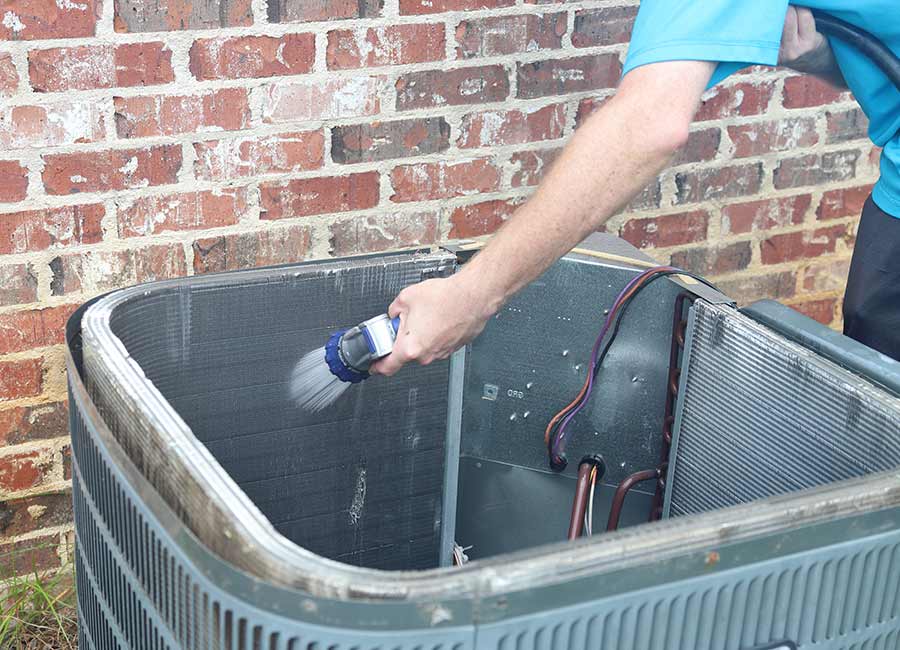
A bad AC expansion valve usually shows up as weak cooling, uneven room temperatures, frost on the indoor coil, hissing or gurgling noises, short cycling, and higher energy bills. The valve meters refrigerant into your evaporator coil, so when it sticks or clogs, your whole cooling cycle suffers.
Key Points
- The expansion valve controls how much refrigerant enters the evaporator coil, the part that absorbs heat from your home’s air.
- The six most common symptoms of a bad AC expansion valve are poor cooling, uneven temperatures, coil frost, unusual noises, short cycling, and rising energy bills.
- Low refrigerant and a dirty coil cause similar symptoms, so a technician should confirm the cause before replacing the valve.
- Refrigerant work requires an EPA-certified technician, so expansion valve replacement is not a DIY job.
Coral Air Conditioning provides professional AC repair in Sanibel Island, Florida. As a family-owned company led by a Certified Air Conditioning Contractor (license CAC1820270), we explain what we find and give you clear options before any work begins.
What Is an AC Expansion Valve, and Why Does It Matter?
An AC expansion valve controls how much refrigerant enters your air conditioner’s evaporator coil. The valve is often called a thermal expansion valve, or TXV. The evaporator coil is the part that absorbs heat from the air inside your home.
The expansion valve works like a precision gatekeeper. Too much or too little refrigerant flow disrupts the entire cooling cycle. For a homeowner-friendly overview of how central air works, see ASHRAE’s air conditioning tips for consumers.
When an expansion valve fails or clogs, refrigerant flow becomes restricted, and your air conditioner cannot cool efficiently.
What Are the Symptoms of a Bad AC Expansion Valve?
The six most common symptoms of a bad AC expansion valve are poor cooling, uneven temperatures, frost on the evaporator coil, unusual noises, short cycling, and rising energy bills.
1. Your AC Is Not Cooling the Way It Should
Weak cooling is often the most obvious symptom of a bad AC expansion valve on Sanibel Island. The unit runs and the fan blows, but your house still feels hot or warmer than it should. If you have already ruled out a dirty filter or a thermostat setting error, a faulty expansion valve may be restricting refrigerant flow.
An expansion valve that is completely clogged or stuck closed stops refrigerant flow, so the system absorbs no indoor heat.
2. Uneven Temperatures or Inconsistent Cooling
Uneven temperatures from room to room, especially during the same cooling cycle, often come from erratic refrigerant regulation. Air conditioners across Sanibel Island work overtime against intense coastal heat and humidity. An expansion valve that misreads internal pressures or is partially blocked may allow only short bursts of cooling.
3. Visible Frost or Ice on the Evaporator Coil
Ice or frost on the copper lines or evaporator coil at your indoor air handler is not normal, and a malfunctioning expansion valve is a common cause. When too little refrigerant enters the coil, the coil can supercool and freeze over.
Frozen coils hurt performance right away and raise the risk of lasting damage. If your system freezes again after you turn it off and let it thaw, call a technician for an assessment.
4. Unusual Noises From the System
Hissing, gurgling, or whistling near the air handler or refrigerant lines is a strong symptom of a faulty AC expansion valve. These sounds can point to a clogged valve or a high-pressure leak as refrigerant struggles to move through the system.
The noises may come and go at first. If they become consistent, schedule a professional inspection.
5. Short Cycling
Short cycling means your air conditioner turns off and on repeatedly without reaching the temperature you set. This pattern wears down the system and makes effective cooling impossible.
On Sanibel Island, where summer heat pushes systems to their limits, short cycling is a clear sign something is out of balance. A bad AC expansion valve can overcool the coil or restrict refrigerant so much that the compressor shuts down early.
6. Unexplained Surges in Energy Bills
Higher electric bills without a cooler home often mean your system is working harder than it should. An expansion valve that cannot regulate refrigerant forces your AC to run longer and more often, which wastes energy.
That extra runtime costs you money every month and shortens the lifespan of your system. If you notice two or more of these symptoms, book online or call us before the problem spreads to other parts of the system.
What Causes an AC Expansion Valve to Go Bad?
An AC expansion valve usually fails for one of a few reasons:
- Debris or contaminants in the refrigerant lines clog the valve’s small opening.
- Moisture inside the system freezes at the valve and blocks refrigerant flow.
- The valve’s sensing bulb comes loose or loses its charge, so the valve misreads how much refrigerant the coil needs.
- Years of hard use in Sanibel Island heat wear down the valve’s internal parts.
How Does a Technician Confirm a Bad AC Expansion Valve?
Low refrigerant, a dirty evaporator coil, and a bad AC expansion valve can all cause weak cooling and frozen coils. A technician tells them apart by measuring refrigerant pressures and temperatures at the coil and checking the valve’s sensing bulb.
If the coil is simply dirty, professional AC coil cleaning may solve the problem. If refrigerant is low, the leak needs repair before a Freon recharge service. If the indoor unit has wider problems, our air handler repair team can take care of it.
Expansion valve replacement is not a DIY repair. Under the EPA Section 608 refrigerant rules, technicians who handle refrigerant must be certified. If another company already quoted you a valve replacement, Coral Air Conditioning also offers unbiased second opinions.
Call Coral Air Conditioning About a Bad AC Expansion Valve in Sanibel Island
Don’t wait for a bad AC expansion valve to shut your system down completely. Coral Air Conditioning offers AC repair services built around the demands of homes on Sanibel Island.
Schedule your appointment today online or call us. A technician will check your refrigerant pressures and expansion valve, explain what we found, and give you pricing before any work starts. No pressure, no surprises.